
Q-Sensei

Intelligence for dynamic data center operations

The AI Data Engine gives data center operations teams a continuous, contextual view of their environment, helping them understand what is happening, identify what matters, and recognize changing conditions before they become disruptions.

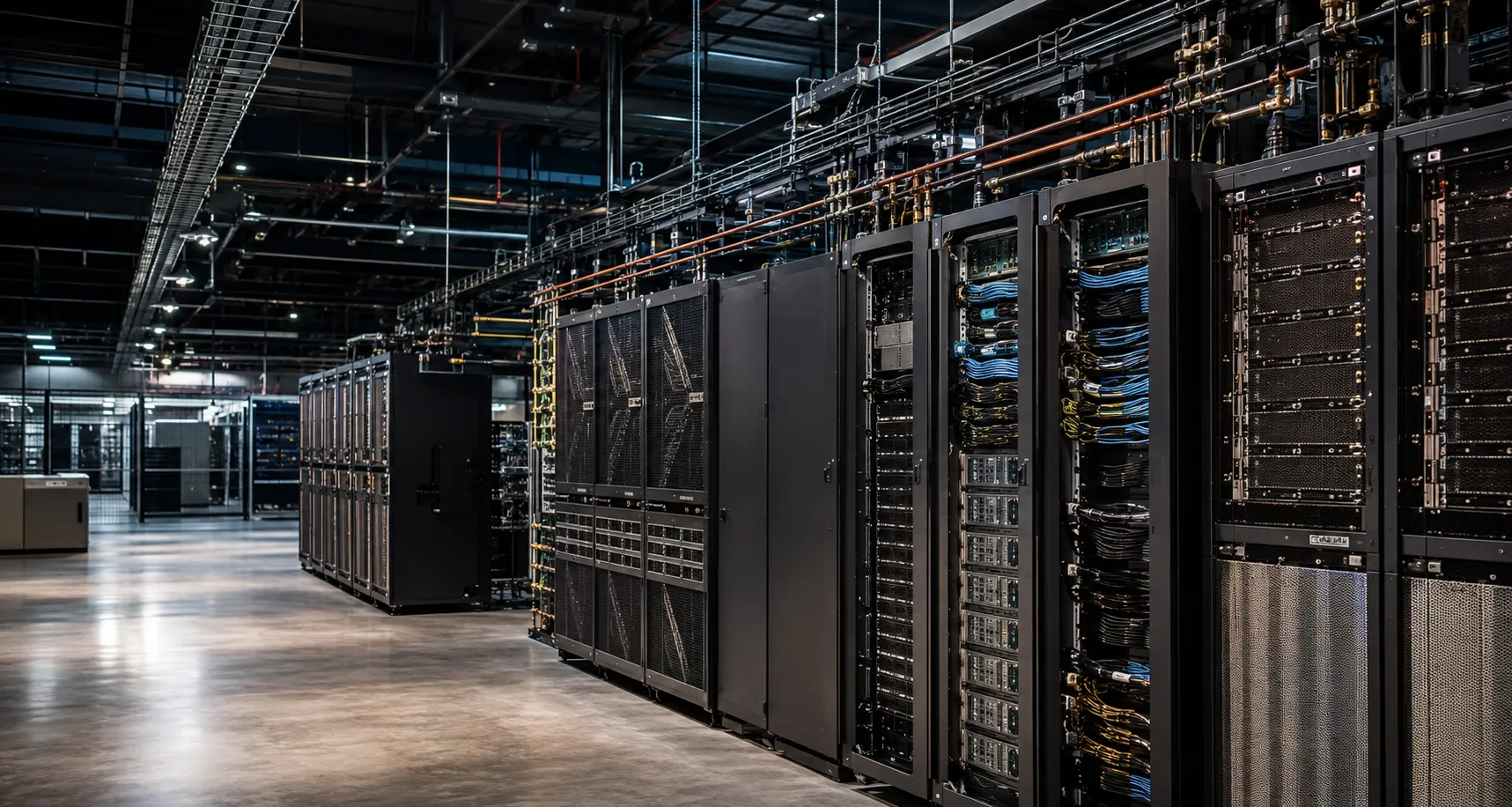
A wide interior view of accelerated-compute racks, network cabling, storage equipment, and cooling infrastructure in a modern data center.
InfrastructureWorkload

From monitoring to proactive intelligence

Modern data centers are increasingly complex and dynamic. AI workloads, accelerated computing, changing resource demands, and interconnected systems can cause conditions to shift faster than operations teams can investigate them. Effective operations require more than monitoring individual metrics and events—they require context.

Operational data across workloads, applications, compute, accelerators, networking, and storage is continuously analyzed, with signals connected to the resources and workloads they affect. Anomalies, resource contention, performance issues, and other developing conditions can be surfaced without requiring operations teams to manually correlate information across multiple systems.

The result is a connected operational view that shows where attention is needed, what is changing, and how conditions are affecting workloads and applications.

Understand what’s happening

Performance conditions can be understood in context with the workloads, applications, and resources involved.

Changes in workload behavior can be traced to compute availability, network conditions, storage performance, resource contention, and other contributing factors.

This helps operations teams determine what changed, what is influencing performance, and which workloads or applications are affected—without moving between multiple operational tools.

Connected resources
Workload
Compute
Network
Storage
Relationship to investigate

Identify what matters

Data center environments generate enormous volumes of metrics, events, and alerts. Not every change requires attention.

These signals are analyzed to surface significant changes, unusual behavior, emerging conditions, and relationships that warrant investigation.

By connecting these findings to affected workloads and applications, operations teams can prioritize developing issues earlier and spend less time working through disconnected operational data.

Operational signalsRelated signals
ComputeNetworkStorage
Affected workload
Focus for investigation

Optimize performance, reliability, and efficiency

Resource utilization can be viewed alongside workload behavior, helping operations teams make better-informed decisions around workload placement, resource allocation, capacity, and utilization.

Bottlenecks, resource constraints, and underutilized capacity can be identified based on their impact on workload performance.

This supports more effective use of available resources, improved workload performance, and more effective capacity planning.

Resource decisions
Workload demand
Constrained
resource
Available
capacity
Assess demand and capacity

Intelligence across the modern data center

The AI Data Engine connects operational data across the systems and resources that support modern workloads, giving operations teams the context needed to understand how infrastructure conditions affect performance, reliability, and efficiency.

Compute and accelerators

Compute, GPU, accelerator, memory, cluster, and resource activity can be correlated with workload behavior.

Operations teams can see how workloads are distributed, where demand is shifting, and where resources are becoming constrained—helping identify performance issues and opportunities to improve utilization.

Network and data movement

Throughput, latency, congestion, contention, and data movement can be assessed in the context of the applications and workloads that depend on the network.

This helps identify network conditions affecting performance and focus investigations on the areas with the greatest impact.

Storage and data

Storage performance, I/O, capacity, utilization, and data activity can be examined against the demands of the applications that depend on them.

Operations teams can track changing demand, identify developing capacity or performance constraints, and make more informed resource allocation decisions.

Workloads and applications

Application and workload behavior can be traced through the resources supporting them, providing visibility into resource consumption, latency, throughput, and performance variability as processing demands evolve.

This helps teams connect infrastructure conditions to application performance and compute activity.

Power and cooling

Power and thermal conditions can be evaluated using SCADA data alongside resource utilization, capacity, and workload activity.

This helps operations teams understand how changing processing demands and infrastructure requirements affect power and cooling conditions, identify developing issues, and uncover opportunities to improve efficiency.

Focus attention where it matters

See what matters across your data center and act before disruptions occur.

  • Telemetry
  • Context
  • Attention