
Semiconductor engineering intelligence
The AI Data Engine helps fabless semiconductor engineering teams turn manufacturing and test data into the engineering evidence needed to understand yield, investigate production behavior, and improve device and manufacturing performance.
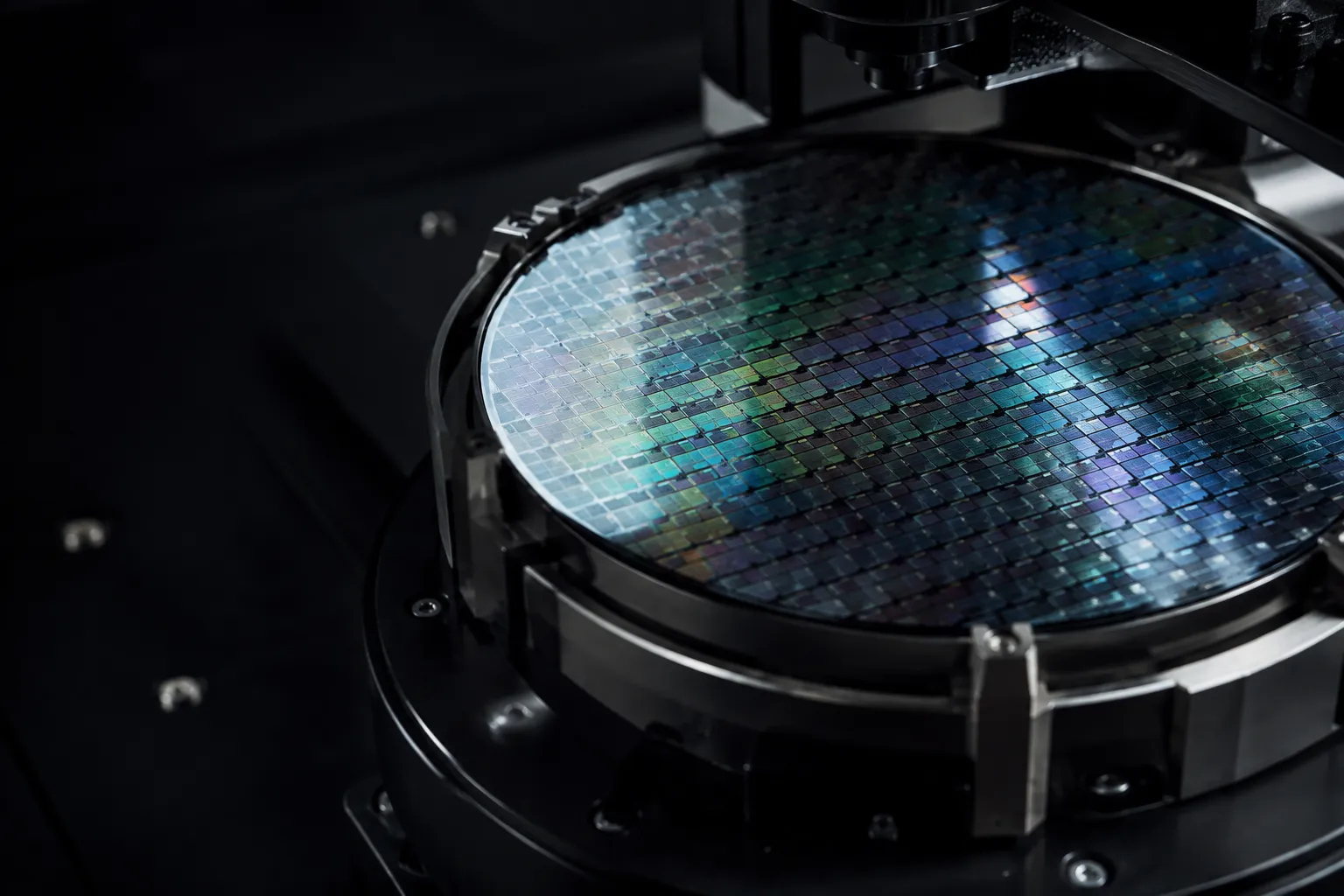
- Wafers & lots
- Manufacturing
- Test results
- Engineering evidence
The challenge of finding what drives yield loss
Fabless semiconductor companies design their devices in-house while wafer fabrication, assembly, packaging, and production test span external fabs, outsourced semiconductor assembly and test providers (OSATs), test houses, and equipment platforms.
These environments generate large volumes of data across devices, wafers, lots, testers, test sites, test programs, test conditions, specifications, and production history. The data spans multiple engineering domains and production partners, making it difficult to see the relationships behind a yield change.
When yield changes, engineers need to understand what changed, where it occurred, which production is affected, and which test, equipment, manufacturing, or device factors are associated with the change.
The challenge is turning distributed production data into clear engineering evidence that shows where to focus investigation and improvement.
- Manufacturing
- Equipment
- Test conditions
- Device characteristics
- Test results
- Wafers / lots
Investigate yield and identify contributing factors
The AI Data Engine connects the data and provides the context required to investigate a yield change across the production flow.
Engineers can trace yield behavior to affected lots and wafers, examine test distributions and parametric measurements, identify tester and site effects, and analyze wafer-level and lot-level patterns.
These observations can then be examined alongside test programs, test conditions, manufacturing data, and device characteristics to establish the relationships associated with the observed behavior.
The resulting evidence gives engineers a focused view of the factors contributing to the issue and supports targeted action across test, equipment, manufacturing, and device design.
Detect changes as production evolves
Manufacturing and test data change continuously as devices, lots, testers, processes, and conditions evolve.
The AI Data Engine analyzes incoming production and test data to identify changes in yield, test-failure behavior, parameter distributions, wafer patterns, and other production signals.
As these signals emerge, engineers can see when a change begins and understand its production scope, providing an earlier starting point for investigation.
Connect the signal to lots, equipment, and conditions.
Use AI to accelerate engineering analysis
The AI Data Engine automatically analyzes semiconductor manufacturing and test data to identify significant changes, uncover relevant relationships, and suggest possible next steps.
It recognizes patterns across yield, test results, parametric measurements, wafers, lots, testers, test sites, test conditions, and device characteristics, bringing the most relevant evidence into focus for each engineering question.
Engineers can interact with the analysis, explore the supporting evidence, and evaluate suggested actions to move faster from a production signal to an informed engineering response.
- Wafer & lot patterns
- Test distributions
- Tester & site effects
- Device characteristics
Built for semiconductor engineering environments
The AI Data Engine provides a native interface for interactive analysis and integrates with existing semiconductor data platforms and engineering applications through APIs.
It can be deployed in Q-Sensei's managed cloud, within your own infrastructure, or in your preferred cloud environment to support security, operational, and data-residency requirements.
Granular permissions, policies, and access controls govern engineering data and derived intelligence throughout the AI Data Engine.
- Q-Sensei managed cloud
- Your infrastructure
- Preferred cloud
Turn engineering intelligence into measurable improvement
Connect the evidence across test, manufacturing, and device data to find what drives yield loss and where to improve.
- Test evidence
- Investigation
- Improvement